For Indian job seekers, few industries in the Gulf pay as reliably as oil and gas. A single contract on an Abu Dhabi offshore project can double or triple what the same trade earns back home, and because the work is organised around rotations and project shutdowns, it is one of the few sectors where companies routinely hire in bulk from India. At the centre of it all stands ADNOC — the Abu Dhabi National Oil Company — whose group of companies runs everything from offshore islands to the giant Ruwais refining complex, and which hires thousands of technicians, riggers, welders, operators and engineers every year. If you are scanning UAE jobs for Indians and wondering whether the oilfield is right for you, this guide breaks down the companies, the roles, realistic 2026 salaries in AED, the certifications that matter, and how to apply without falling for scams.
| Job | Location | Apply link |
|---|---|---|
| Roustabout – Oil & Gas Project | Abu Dhabi | Apply Now |
| HSE Manager – Oil & Gas (ADNOC Approved) | Dubai | Apply Now |
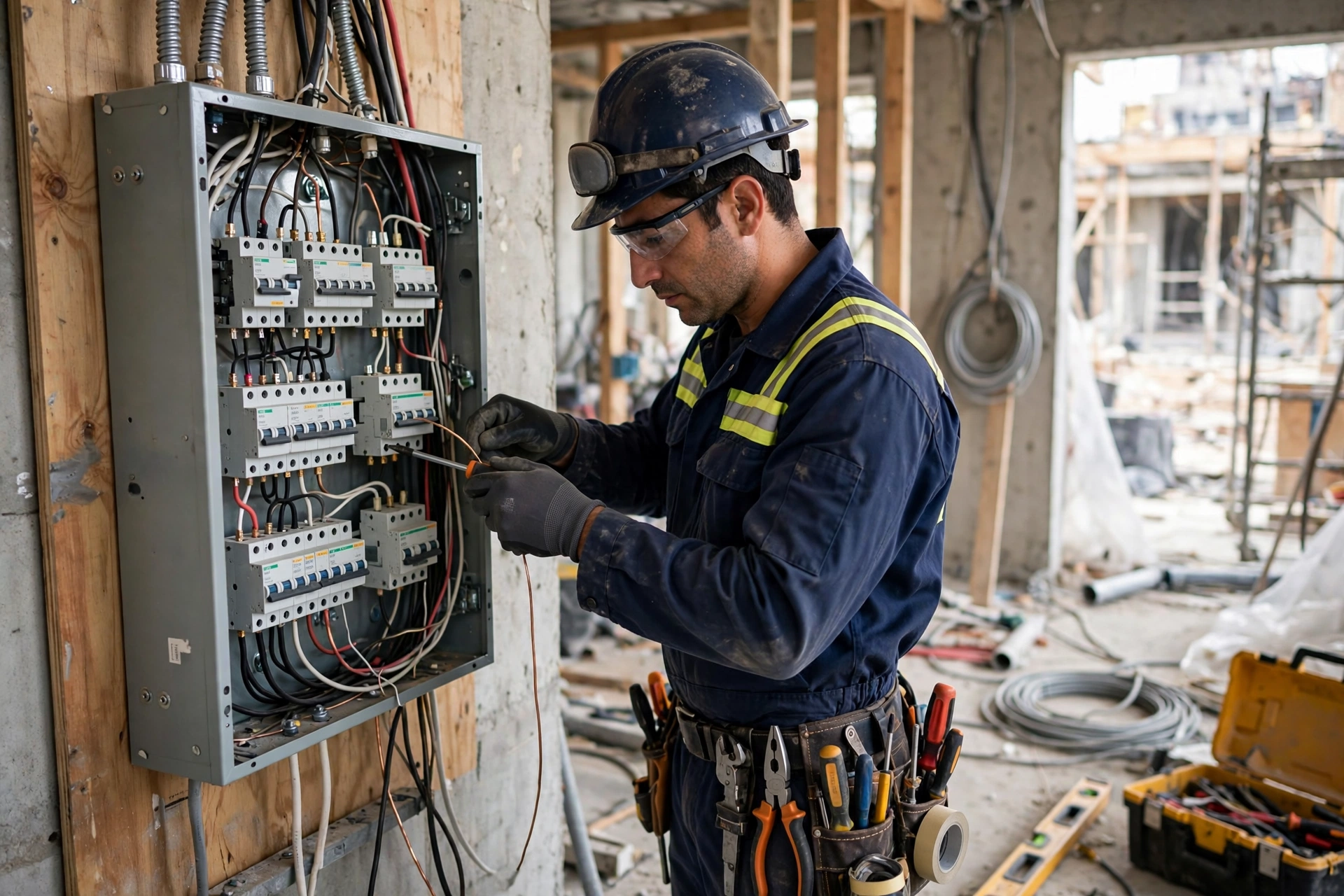
| Assistant Rig Electrician – ADNOC Drilling | Offshore Islands, Abu Dhabi | Apply Now |
| Inspector I – Quality, Oil & Gas (Petrofac) | Abu Dhabi | Apply Now |
| Roustabout – Offshore/Onshore (Urgent Hiring) | Abu Dhabi | Apply Now |
The five listings above are live openings posted in September and October 2026, covering entry-level rig work, drilling support, quality inspection and senior HSE roles. Oil and gas recruitment moves fast — shutdown rosters especially fill within days — so apply as soon as a role matches your profile, and keep an eye on the latest UAE jobs page for fresh postings every week.
Inside the ADNOC Group: Where the Jobs Actually Sit
ADNOC is not one company but a group, and knowing which arm you are joining tells you what the job will actually look like. ADNOC Onshore operates the big onshore fields and oil terminals; ADNOC Offshore runs the island-based fields like Das Island and the Upper Zakum platforms; ADNOC Gas handles gas processing; and ADNOC Drilling — one of the largest drilling contractors in the region — hires rig crews directly, from roustabouts and floorhands to drillers and toolpushers. Around them sit ADNOC Sour Gas (the Shah field), ADNOC Refining (the Ruwais complex west of Abu Dhabi city), ADNOC Distribution, and ADNOC Logistics & Services, which handles marine and shipping roles. Most Indian candidates join through contracting companies working on ADNOC projects rather than through ADNOC itself, which is why you will often see adverts for “ADNOC project” roles advertised by recruiters. Nearly all of this activity is concentrated in the emirate of Abu Dhabi, making Abu Dhabi jobs the place to watch for oilfield work.
Onshore vs Offshore: How to Choose Your Path
Onshore and offshore are genuinely different lifestyles, and the choice shapes your pay, schedule and certification burden. Onshore roles — at Ruwais refinery, gas plants, or desert fields — usually mean a camp-based routine, regular food and accommodation, and salaries that are strong but not spectacular. Offshore work pays a premium, typically 20 to 40 percent more than the equivalent onshore role, because of the isolation and rotation schedules: a common pattern is 56 days on the rig or island followed by 28 days off, with all flights, food and accommodation covered. The trade-off is strict medical fitness requirements and mandatory offshore survival certification. If you are a mechanical, electrical or instrumentation technician, both worlds want you — and our UAE technician jobs roundup covers how technical trades enter the sector.
UAE Oil & Gas Salary Ranges 2026 (AED, Tax-Free)
Salaries in the UAE are tax-free, and most oil and gas packages add free accommodation, food, transport and medical insurance on top of the basic salary. These are realistic 2026 ranges drawn from live ADNOC project postings, gathered so you can benchmark any offer you receive:
- Roustabout: AED 2,500 – 3,500 per month. Entry-level rig work; some urgent offshore postings advertise around AED 2,824 with rotation schedules.
- Rigger Level III: AED 2,500 – 4,500 per month, higher with ADNOC lifting approvals.
- 6G Welder: AED 2,750 – 4,000 per month, with Gulf-return candidates commanding the top end.
- Mechanical / Electrical / Instrumentation Technician: AED 4,000 – 8,000 per month depending on experience and offshore allowances.
- Job Performer (ADNOC approved): AED 3,500 – 4,500 per month on shutdown projects.
- HSE Officer: AED 4,000 – 8,000 per month, rising sharply with NEBOSH and ADNOC approvals.
- Project / Process Engineer: AED 10,000 – 25,000 per month; turnaround operations coordinators on major ADNOC TAR projects are advertised near AED 19,500.
- Cementing Operator (ADNOC Drilling): AED 16,000 – 24,000 per month.
- Rotating Equipment Engineer: AED 30,000 – 40,000 per month.
- HSE Manager (ADNOC approved): AED 30,000 – 45,000 per month.
Two things inflate these numbers further: offshore allowances, and overtime during shutdown peaks. Compare offers against the UAE engineering jobs market too, since many plant roles overlap with the broader industrial sector — and riggers coming from a UAE construction jobs background often find their lifting experience transfers directly.
Certifications That Get You Hired
In oil and gas, certificates open doors that experience alone cannot. For any offshore role, the OPITO-approved BOSIET (Basic Offshore Safety Induction and Emergency Training) with HUET is effectively mandatory, and most Abu Dhabi offshore projects also require H2S awareness or H2S safety certification because of the sour gas fields. Onshore and refinery roles lean on different credentials: NEBOSH IGC is the gold standard for safety officers, CISRS or equivalent scaffolding cards matter for scaffolders, CSWIP for welding inspectors, and various ADNOC-specific approvals (lifting, job performer, H2S) are issued after you join a project. Electricians, riggers and technicians should also get their trade certificates and experience letters attested — many recruiters ask for UAE embassy attestation of documents before mobilisation.
Shutdown & Turnaround Work: The Money Window
Refineries and gas plants cannot run forever without maintenance, so every year ADNOC facilities shut down units for planned turnarounds — short, intense projects of 30 to 60 days where thousands of extra hands are mobilised. For Indian workers, shutdowns are the fastest route into the sector: recruiters hire welders, fitters, riggers, technicians, scaffolders, safety officers and helpers in bulk, salaries run high because of the overtime, and a good shutdown record becomes the “Gulf experience” that unlocks longer contracts. The busiest hiring waves follow the turnaround calendar, so track our UAE shutdown jobs page closely during turnaround season.
How to Apply from India
Most ADNOC project hiring for Indian candidates happens through licensed overseas recruiters who run client interviews in cities like Kochi, Mumbai, Chennai and Delhi. A typical process: you email your CV, get shortlisted, attend a trade test and client interview, and then wait for visa processing and mobilisation — the whole cycle often takes 4 to 8 weeks. Walk-in and online interviews are also advertised regularly; check UAE walk-in interviews for the newest schedules. For direct applications, ADNOC’s own careers portal lists corporate and drilling roles, while contractors like Petrofac, Halliburton and Worley post UAE openings on their sites. If you are already in the UAE on a visit or job-seeker visa, mention it in your application — many postings give preference to candidates available to join immediately.
Scam Warning: Read This Before You Pay Anyone
The oil and gas sector attracts fraudsters because the salaries are high and the jobs are desirable. Remember three rules. First, ADNOC and its group companies never ask candidates to pay for job offers, visa processing fees or “security deposits” — any demand for money upfront is a scam. Second, verify the recruiter: overseas recruitment from India requires a valid Protector of Emigrants licence, and genuine agencies will give you their licence number without hesitation. Third, never trust an offer letter that arrives by email or WhatsApp without an interview, and never send your passport details or money to a personal email address. Legitimate employers provide a proper employment contract, process your work visa officially, and cover mobilisation costs.
Visa and Documents You Will Need
Once selected, your employer sponsors your UAE employment visa — oil and gas companies handle this as standard, since the roles are almost always visa-sponsored positions. Prepare early: an updated CV with exact job titles, passport copies, attested educational and trade certificates, experience letters, passport-size photographs, and a medical fitness certificate. Offshore candidates will additionally need a valid BOSIET certificate and will pass an offshore medical examination. Processing usually takes a few weeks, and your sponsor arranges entry permits, medical tests in the UAE, and the Emirates ID after arrival. For a broader look at which sectors offer sponsored routes, see our guide to UAE visa sponsorship jobs.
Frequently Asked Questions
Quick answers to the questions Indian job seekers ask most about UAE oil and gas careers.
Can freshers get oil and gas jobs in the UAE?
Yes, but mostly through entry-level roles. Roustabout positions on rigs and helper roles on shutdown projects regularly accept candidates with 0 to 1 year of experience, provided you have an industrial diploma and basic safety awareness. Getting your BOSIET and H2S certificates before applying puts you ahead of most fresher applicants.
Do I need Gulf experience to work on ADNOC projects?
It helps a lot, especially for senior roles, but it is not always mandatory. Entry and mid-level shutdown roles frequently hire candidates with only Indian industrial experience, while positions like HSE manager, lifting engineer or rotating equipment engineer almost always demand prior ADNOC or GCC project exposure.
How much can a rigger earn in Abu Dhabi in 2026?
A Level III rigger on an ADNOC project typically earns AED 2,500 to 4,500 per month, tax-free, with free accommodation, food and transport included. Offshore postings and shutdown overtime push earnings higher, and ADNOC-approved riggers with lifting certifications sit at the top of the range.
Is offshore work safe for Indian workers?
UAE offshore operations follow strict international safety standards, and every worker completes survival training (BOSIET) before stepping onto a rig or island facility. The bigger risks are health-related — offshore roles require passing a medical fitness test — so keep your health records and vaccinations up to date before applying.
How long does the hiring process take?
From client interview to mobilisation, expect 4 to 8 weeks for most ADNOC project roles recruited from India. Shutdown hiring moves faster — sometimes 2 to 3 weeks — because turnarounds run on fixed dates. If a recruiter promises same-week deployment with no interview, treat it as a red flag.